The Case for AI Regulation: A Leadership Perspective

April 7, 2026

AI regulation is no longer a theoretical debate. It is becoming a practical reality that will shape how organisations operate, how decisions are made, and how leaders are held accountable. Executives who wait for regulation to arrive before preparing will find themselves reactive rather than ready.


AI is already making consequential decisions about people's employment, creditworthiness, healthcare, and freedom. When those decisions cause harm, someone must be accountable. Voluntary guidelines and good intentions are no longer sufficient. Governments globally are moving toward binding frameworks, and Australia is no exception.


For executives, the implications are significant. Regulation will place legal responsibility for AI decisions squarely with organisations and their leaders. Understanding what your AI systems do, and why, will no longer be optional. Leaders will be required to explain AI-driven decisions in ways that are clear, fair, and auditable. Black box systems will become both a legal and reputational liability. Boards and executive teams will need governance frameworks that go beyond policy documents and are genuinely embedded in how the organisation operates.


The leaders who are best placed for the regulatory shift ahead are those who have already asked the hard questions about ethics, accountability, and what responsible AI use actually looks like inside their organisations. They are building governance frameworks now rather than waiting for compliance deadlines. They are ensuring their boards have sufficient AI literacy to oversee risk effectively. They are treating regulation not as a constraint but as a framework that protects their organisation and the people it serves.


Regulation will not create a culture of responsible AI use. Leaders will be required to create that culture. Regulation will define the operational space. Where your organisation builds to from there is entirely a leadership decision.

May 11, 2026
When AI fails, recovery depends on governance frameworks built before the crisis, not after. A systems risk perspective on accountability, recovery and organisational learning.
May 5, 2026
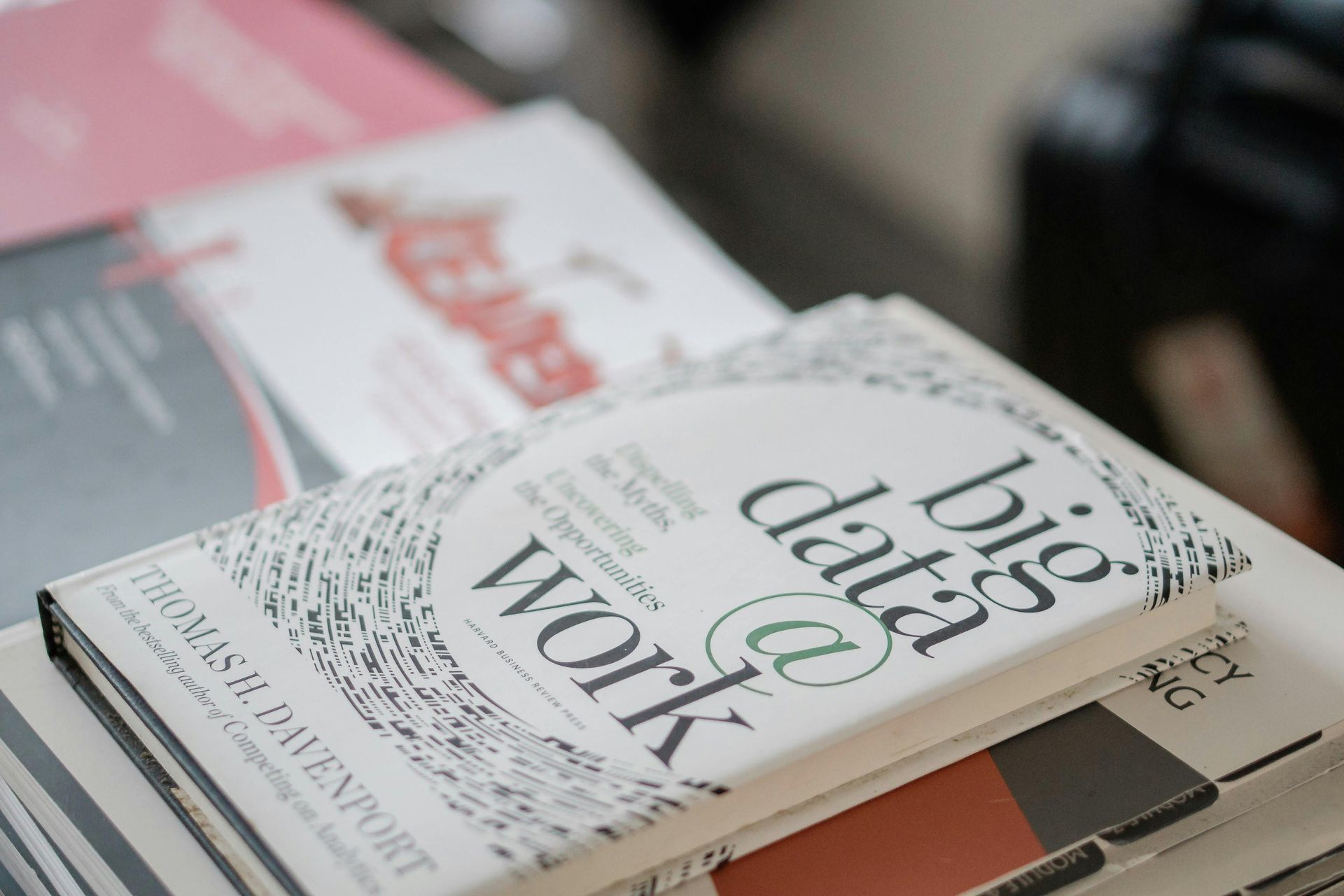
Predictive analytics has quietly become one of the most consequential tools in workforce management. Organisations are using it to determine who gets hired, who gets promoted, who is identified as a flight risk, and who is flagged for performance management. The decisions feel data-driven and therefore objective. They are neither. Predictive models are built on historical data. That data reflects the decisions organisations have already made, including who was rewarded, who was overlooked, and what success was assumed to look like. When those patterns are encoded into a predictive system, they do not become neutral. They become automated. The bias embedded in those decisions does not disappear when it is automated. It scales, and it does so without the checks, challenges, or accountability that human decision-making, however imperfect, can sometimes provide. The ethical problem is compounded by opacity. Most employees subject to predictive analytics do not know it is being used. They do not know what data is being collected, how it is being weighted, or what conclusions are being drawn about their future in the organisation. They have no mechanism to contest a prediction that may be shaping decisions about their career without their knowledge. That is not a minor governance gap. It is a fundamental problem of fairness and accountability. For organisations, the governance questions are urgent. What data is being used to make predictions about people, and has that data been audited for bias? Who is accountable when a predictive model produces outcomes that are discriminatory or simply wrong? What obligations do organisations have to disclose to employees that predictive tools are influencing decisions about them? In several jurisdictions these questions are moving from ethical considerations to legal requirements, and the organisations that have not prepared will find themselves exposed.  Predictive analytics is not inherently problematic. The problem is deploying it without the governance infrastructure to ensure it operates fairly, transparently, and with clear lines of accountability. The organisations getting this right are those that treat predictive tools as they would any other high-stakes decision-making process: with scrutiny, oversight, and a genuine commitment to understanding who bears the consequences when the system gets it wrong.
April 28, 2026
Psychosocial hazards are measurable, manageable, and increasingly regulated. The governance gap in most organisations remains significant.
April 21, 2026
Healthcare shows what happens when AI governance falls short. The stakes are human and the time to act is now.
April 14, 2026
Good leadership has always been about governance. AI didn't create the need for accountability and oversight.
March 31, 2026
Explore how gender bias shapes leadership decisions and how organisations can create fairer promotion and evaluation systems.
March 24, 2026
AI is transforming work, but the human cost is rising. Leaders who ignore burnout, anxiety, and disconnection risk losing their greatest asset.
March 17, 2026
Understand how AI impacts intellectual property, and what executives need to know to manage risk and ownership.
March 10, 2026
Use AI in recruitment without reinforcing bias. Learn how to balance efficiency with equity for fairer hiring decisions.